Extracurriculars haven’t just impacted the way that I think. They have also had a major influence on the way that I lead. Leadership is an extremely important skill in every work environment. It has served me well in classes, clubs and past jobs. But one cannot become a leader overnight. I have been cultivating these skills for over eight years.
I remember the first time that I learned that leadership is not just a quality that one is born with. I had just become a leader in my high school’s marching band. A requirement for all of the leaders was to read the book 7 Habits of Highly Successful Teens by Sean Covey and do work based off of what we learned. The book outlined successful habits that would lead towards stronger leadership and life skills. I was amazed that there was something like a blueprint towards good leadership. I took a lot of what I read to heart and treated it as more than just a reading assignment. I highlighted the book, took notes, and still have a sheet of goals hung in my room above my desk. It’s been over four years since I read that book, and its advice on leadership still has a huge impact on me.
This realization of the ability to cultivate leadership skills set me on a path of self-improvement and accumulation of many leadership positions throughout high school and college. In addition to being a leader in marching band in high school, I held multiple leadership positions on multiple robotics teams each year. I wore many different hats and learned to seek out opportunities to learn more about how to lead effectively. I had my fair share of failures along the way which only led to more lessons in leadership. The biggest skills I acquired through these leadership roles were taking responsibility when things go wrong, listening to others and valuing their opinions, and encouraging those who may know more than me to take the lead. The last skill was the most crucial in robotics. There will always be someone that knows more than you about something. I think the most unique leadership skill I developed in these roles was learning to rely on and encourage those who have valuable knowledge in their niche to take the reins. Being a leader does not always mean that you have to call all the shots, but rather, that you know your team well enough to know when to let them take the lead too.

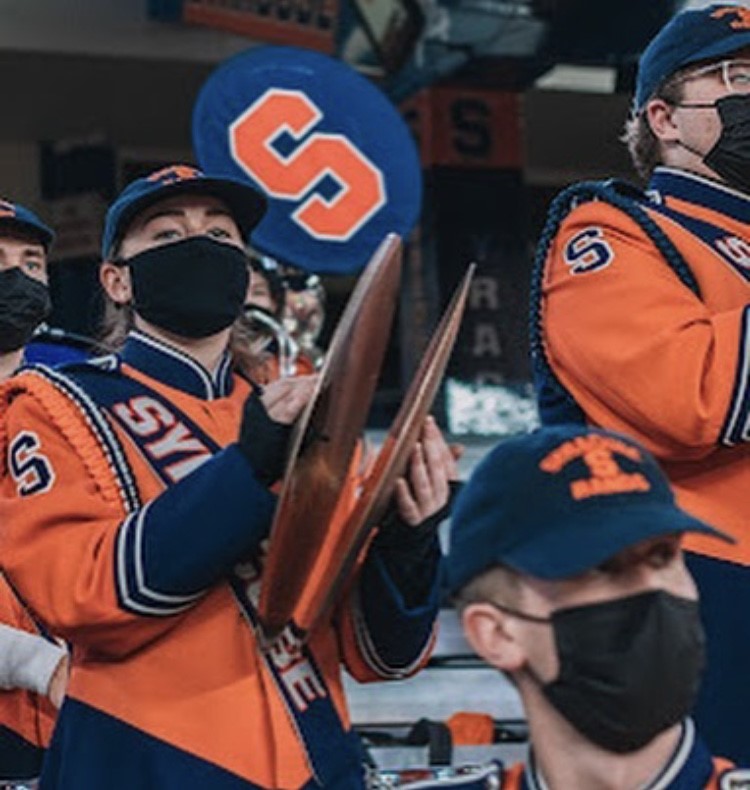
Being a leader impacts skills in other parts of my life as well. As a section leader in my university’s marching band, I interact with 170 other students on a weekly basis. In this group there is a diverse mix of majors, interests, backgrounds, etc. The one commonality we all have is an interest in the performing arts. The leadership experience in this role is therefore very unique, as no two members learn the same or have the same amount of knowledge. In my role, I interact with a lot of first time marchers and players – basically students who have never even held an instrument before but wanted to take the leap into joining the marching band. My duty is to catch them up as quickly as possible (without overwhelming them) and ensure that they feel right at home in our welcoming atmosphere. Learning how to teach many people from diverse backgrounds, and achieve the same result with all of them, has been a huge opportunity for me to improve my communication skills. The moment when a new member marches a perfect 8 to 5 for the first time, and that lightbulb goes off inside, is a very proud moment for me. Some get it instantly, some take a couple of practices to find the perfect middle ground. But no matter how long it takes for them to get there, or no matter how many different ways I explain the technique to them, we always get there eventually and celebrate. Experiences like this is why being a good leader is so important to me. No matter what role I serve, my main goal is to always have a positive impact on those around me.